Expanding the Bridge: A $13 Million Commitment to Mental Health Equity
No child should have to juggle a mental health crisis and a full course load alone. By funding the creation of "Bridge rooms" and coordinated care in high-need districts, Massachusetts is moving mental health from the shadows of the clinic into the heart of the school community.
For years, bryt programs have been lifelines for students navigating the precarious return to school after a mental health crisis. However, a systemic barrier remained: programs were largely available only to districts with the economic resources to establish it independently. That changed with a landmark announcement from the Healey-Driscoll Administration.
Breaking the Resource Barrier
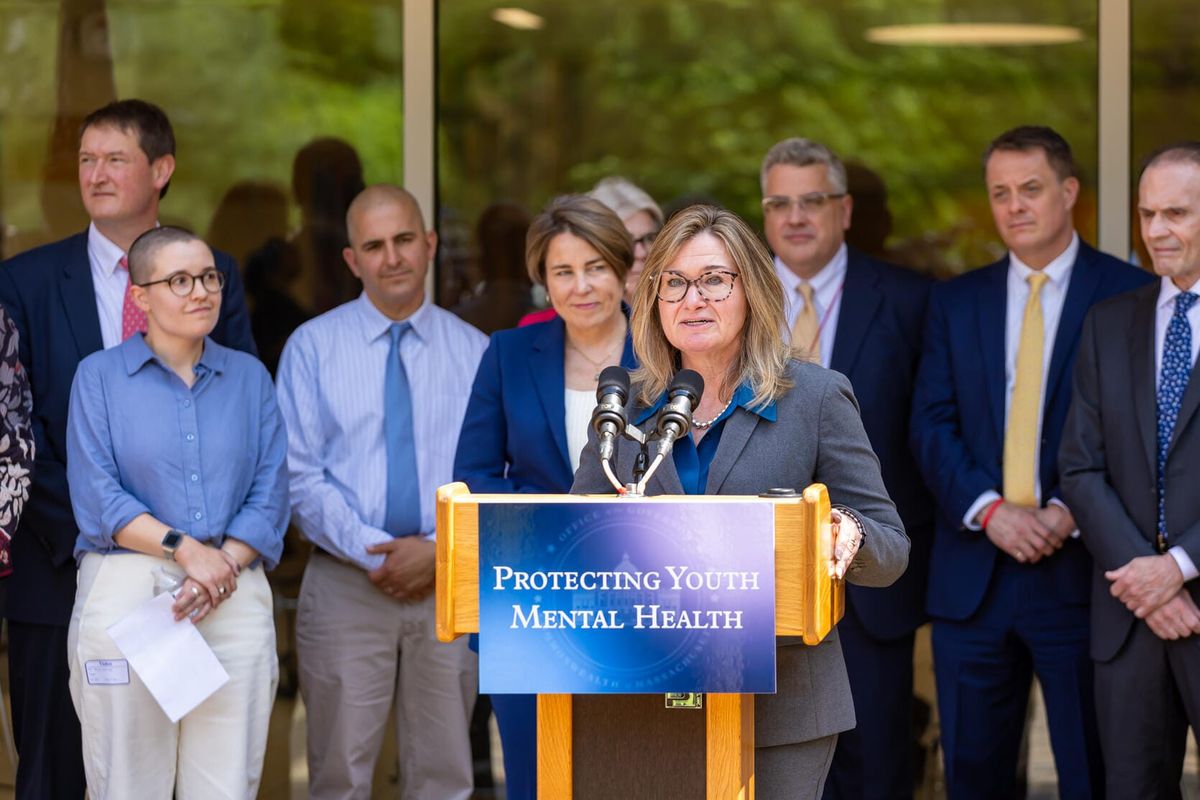
The Commonwealth of Massachusetts has announced an unprecedented $13 million investment to expand bryt into more than 30 high-need schools. This funding—comprising $10 million from the Massachusetts Behavioral Health Trust Fund and $3 million in federal ARPA funds—marks the first time the state has provided seed funding to ensure that critical mental health supports are not a luxury, but a standard of care.
As Lieutenant Governor Kim Driscoll noted, these supports should not only be a reality for schools with existing resources. By providing $259,000 over 20 months to each identified school, the state is actively working to dismantle the inequities in youth mental health access.
The Cost of Inaction vs. The Power of Support
The urgency of this investment is underscored by a sobering national statistic: roughly 50 percent of students with serious mental health challenges drop out of high school. When students are forced to "case manage" their own recovery while juggling academics and social reintegration, the system often fails them.
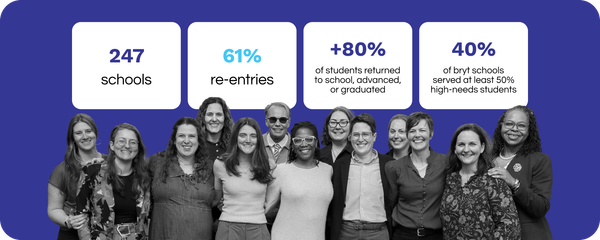
bryt changes this trajectory. By providing a dedicated "Bridge room" and a coordinated team of clinical and academic coordinators, the program transforms the return-to-school process. The results are definitive:
- Graduation Rates: 95% of bryt students graduate on time with their peers.
- Crisis Reduction: Fewer than 20% of participants experience re-hospitalization after an initial stay.
- Behavioral Health: Participants report a 50% drop in self-harming behaviors and substance use disorders.
From Vision to Local Reality
This investment is already moving from policy to practice. Eight inaugural schools have been identified to launch their programs, including Boston's John D. O’Bryant School, Brockton High School, Everett High School, Lynn Vocational Technical Institute, Malden High School, Springfield's High School of Commerce, Springfield Legacy Academy, and Taunton High School.
By investing in these high-need districts, Massachusetts is not just funding a program; it is investing in the long-term resilience of its youth. As we continue to expand, we are moving closer to a system where every student—regardless of their background—has the support they need to thrive scholastically and emotionally.
This level of support reflects the important role government plays in public health. When local and state leaders recognize that mental health is not a peripheral issue, but a core requirement for academic success, the entire ecosystem changes.